
|
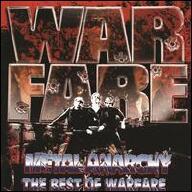
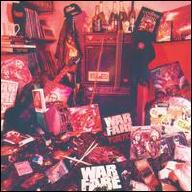
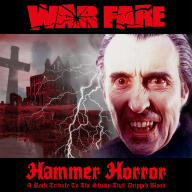
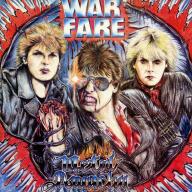
Even before the album could be released, however, Warfare revoked their concert ban long enough to antagonize a few European audiences and pull off silly stunts like disrupting other bands' shows (namely Metallica). Neat Records was not amused, and waited for the dust to settle before releasing 1987's obnoxiously titled Mayhem Fuckin' Mayhem -- only to see another six months wasted as the band tried and failed to release a nasty cover of Robert Palmer's Addicted to Love. Then, just when most observers had given them up for dead, Warfare proceeded to stun everyone with their revelatory fourth album, A Conflict of Hatred, which introduced keyboard player Lazer and a cluster of mature songwriting tricks that no one had even thought the band capable of. Consumers were equally impressed, and the album went on to become Neat's best-selling title ever, even out-performing more famous names like Venom and Raven. Not content to sit on their laurels, Warfare then threw another curveball by leaving their longtime label, partnering with soundtrack experts Hammer Film Music, and recording an album's worth of horror-movie themes, released in 1990 as the Hammer Horror album. Founding guitarist Gunner threw in his lot at this time, but Venom's Mantas chipped in for 2001's more conventionally metallic A Crescendo of Refections, after which Warfare finally decided to call it a career with, of all things, a live album entitled Deathcharge. 1993 saw the release of the Decade of Decibels compilation, and the more extensive Metal Anarchy: The Best of Warfare arrived ten years later. ~ Eduardo Rivadavia, Rovi




|
Download SoundHound
The only App that can give you results through singing and humming search!
|

|